Let's talk about the timing no one mentions
Yeast infections are an unwelcome pause button on your sex life, and the silence around when it's actually safe to resume is weirdly loud. Most people get told "wait until treatment ends" and then get left to figure out the rest on their own. Here's what actually matters: your body's readiness, not just the calendar.
How yeast infections affect tissue (and pleasure)
When you have a yeast infection, your vulva is inflamed. The tissue is swollen, irritated, and hypersensitive in ways that make normal sensation painful rather than pleasurable. Antifungal treatments work fast. In 3 to 5 days of topical cream or a single oral dose, the infection clears. But inflammation doesn't vanish the moment treatment does.
The vaginal tissue needs time to return to baseline. Redness fades over about 1 to 2 weeks. Sensitivity normalizes slower than you'd think. This is the gap nobody talks about. You're technically "cured" but your body isn't ready.
That's where patience becomes the real strategy. Reintroducing a vibrator too early turns recovery into frustration. Waiting until you're actually ready makes the return to pleasure feel good instead of like pushing through discomfort.
The first week after treatment ends
Give yourself at least 5 to 7 days after your last dose of antifungal medication before even thinking about toys. During this window, your goal is not pleasure. It's healing. Your vagina needs to breathe and recover without any kind of stimulation.
This means no vibrators, no penetration, and ideally no friction from tight underwear or workout clothes. Cotton feels better than synthetics right now. Your tissue is literally trying to repair its protective barrier.
You'll notice the itching stops first. The redness and irritation take longer. When you start noticing you're no longer reaching to scratch, that's your first signal.
Week two: gentle exploration
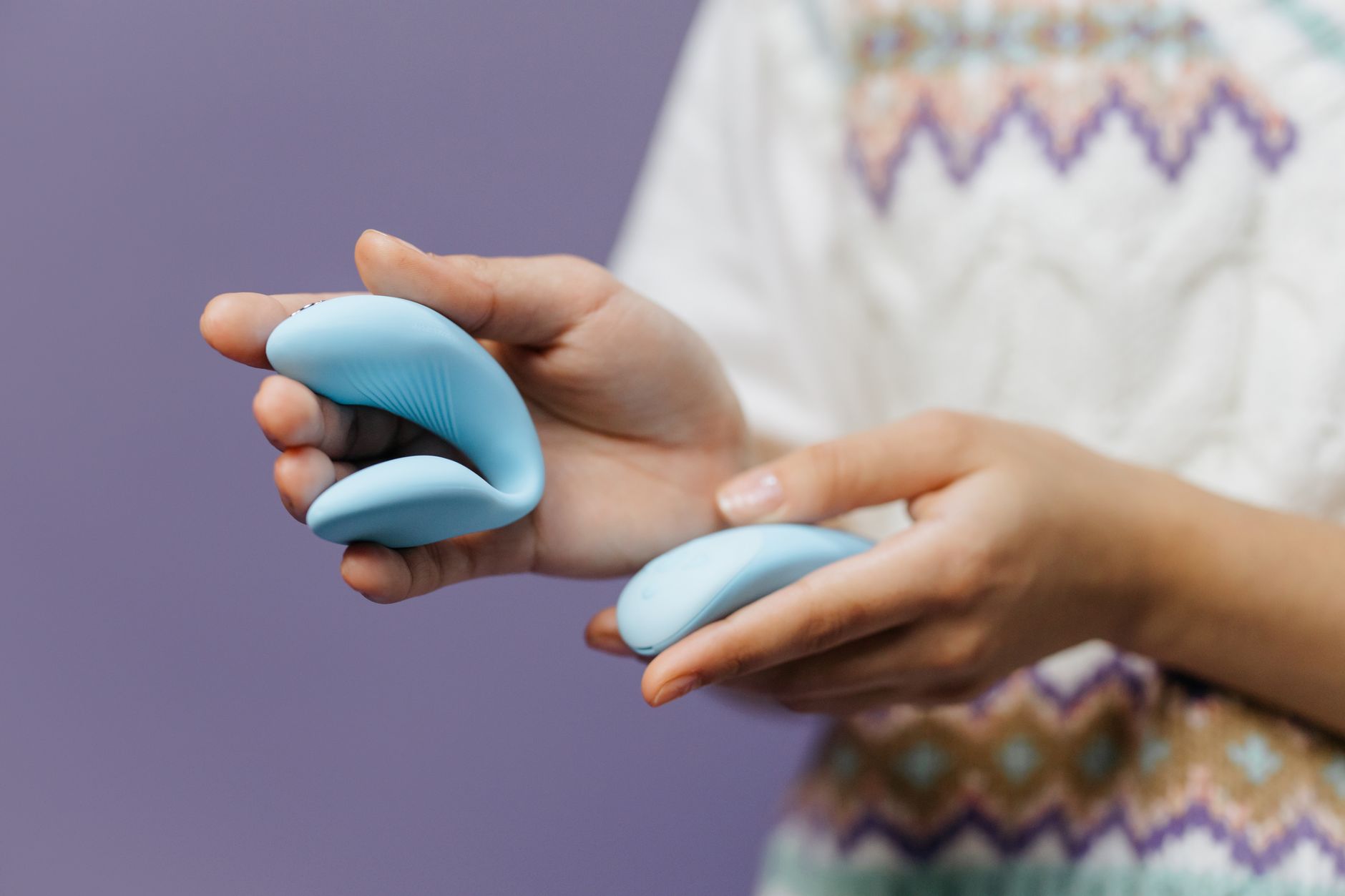
By day 10 to 14, most people can start thinking about reintroducing external stimulation. The word is "gently." This is when a lemon clitoral vibrator becomes your friend. Why? Lemon sucker technology uses air-pulse stimulation instead of direct vibration. This means the sensation is gentler and more diffuse than traditional vibrators.
Start with the lowest setting. I mean the absolute lowest. On most clitoral vibrators, pattern 1 feels minimal to people with healthy tissue. For you right now, it's perfect. The air-pulse sensation stimulates without the aggressive pressure that can irritate healing tissue.
Give yourself 5 to 10 minutes of gentle exploration. Your goal isn't orgasm. It's learning how your body feels and whether discomfort appears. If anything stings, itches, or feels wrong, stop immediately. You're not being wimpy. You're listening to your body.
What makes lemon vibrators work better during recovery
Three things set air-pulse clitoral vibrators like the Lem apart during this phase.
First, the sensation is diffuse. Instead of a concentrated vibration hammering one spot, air-pulse technology spreads stimulation across the entire clitoral head. Healing tissue responds better to broader, gentler input.
Second, there's no direct friction. Traditional vibrators create pressure and friction against tissue. Lemon sucker technology creates a gentle pulling sensation. This matters enormously when your vulva is still adjusting.
Third, you control the intensity precisely. You're not choosing between "on" and "off." You're moving through subtle gradations. This lets you find the sweet spot where pleasure is present but irritation isn't.
The hygiene part matters more now
Yeast loves moisture and friction. During recovery, your vaginal environment is already working hard to restore its protective microbiome. This isn't the time for careless toy care.
Before and after use, wash your lemon vibrator with warm water and mild soap. Dry it completely. Store it in a clean, dry place. I know this sounds basic, but reintroducing bacteria or residual yeast during your recovery window can send you backward fast.
If your toy is silicone, use only water-based lubricant. Silicone-based lubes can degrade silicone toys and also trap moisture against your healing tissue. Stick to water-based. And honestly, you might not need lube at all right now. Your body will tell you.
Week three and beyond: ramping back up
By week three, most people can use their lemon vibrator more freely. You can increase duration. You can try different patterns and intensities. You can explore what feels good without hesitation.
If you notice any return of itching, burning, or that raw feeling, dial it back. One week of a yeast infection can sensitize your nervous system. Sometimes your body needs longer to fully recalibrate than the infection itself lasted.
This isn't failure. It's normal. Some people bounce back in two weeks. Others need four. Your timeline is yours.
What to watch for that means something's wrong
If pain, burning, or itching returns after day 7 of recovery, don't assume it's just sensitivity. Sometimes yeast infections aren't fully treated, or a secondary infection develops. This is worth a conversation with your GP or gynecologist before you resume pleasure activities.
Also watch for unusual discharge. Some discharge is normal. Thick white discharge that smells yeasty is not. Neither is discharge with an off smell or color. If either appears, the infection might not be gone.
Similarly, if you restart toys and notice increased discharge or symptoms returning, pause again. Your body is telling you it needs more time. Listen.
The emotional piece people skip
Yeast infections aren't just physical. They mess with your relationship to your body and your pleasure. You might feel frustrated, unsexy, or disconnected from yourself. That's completely normal. Two weeks of not being able to touch yourself the way you want to feels longer than it actually is.
When you do restart with your lemon vibrator, notice if there's anxiety in the mix. Sometimes we're so eager to "get back to normal" that we push through hesitation instead of honoring it. Going slow isn't giving in. It's actually the faster path back to reliable, consistent pleasure.
A note on prevention (the boring but real part)
Once you're fully recovered, you're not automatically yeast-proof. But a few habits help. After sex or sweating, change out of damp underwear or workout clothes quickly. Keep your toys clean and fully dry before storage. If you use lubricant, stick with water-based or oil-based options that don't feed yeast.
If you're prone to recurring yeast infections, talk to your doctor about your risk factors. Sometimes it's not about toy hygiene at all. It's about antibiotics, birth control, or diabetes management. A GP can help you figure out what's actually driving it.
FAQ
Can I use my lemon vibrator during a yeast infection treatment?
No. During active infection, your tissue is already inflamed and irritated. Adding any kind of stimulation, even gentle air-pulse technology, usually intensifies discomfort. Wait until treatment is finished and healing has begun. That's when clitoral vibrators become helpful again.
How long after my antifungal medication can I use a vibrator?
Most people can start gentle exploration around day 7 to 10 after treatment ends. But "can" doesn't mean you should rush. If you still feel itching, rawness, or sensitivity, wait longer. Your tissue heals on its own timeline, not a calendar's. When external stimulation feels good rather than irritating, you're ready.
Is a lemon sucker vibrator actually gentler than regular vibrators?
Yes. Air-pulse technology distributes sensation across a wider area with less direct pressure. Traditional vibrators concentrate vibration in one spot, which can feel too intense on healing or sensitive tissue. The Lem and similar devices use suction and pulsing rather than direct vibration, making them a better choice during recovery.
Do I need lubricant when using my lemon vibrator after a yeast infection?
Maybe not. Your body might produce enough natural lubrication to be comfortable. Start without it and see how your body responds. If you do want extra lubrication, use water-based only. Silicone-based lubes can trap moisture and irritate recovering tissue. Avoid oils unless your toy is made of stainless steel.
What if my yeast infection symptoms come back after I restart using toys?
Stop using your vibrator immediately and call your doctor. Sometimes infections aren't fully treated, or your healing is being interrupted by the stimulation itself. Don't assume you did something wrong. Your body might just need more recovery time. A quick call to your GP can rule out a returning infection or complications.
Can my partner give me another yeast infection?
Typically no. Yeast infections aren't sexually transmitted in the traditional sense. But your partner's hands or mouth should still be clean, and they should avoid your vulva until you're fully healed. After recovery, normal sexual activity doesn't cause yeast infections unless you have an underlying risk factor like diabetes or are taking antibiotics.
Getting back to pleasure after a yeast infection is less about forcing a timeline and more about respecting your body's actual recovery. A lemon clitoral vibrator like the Lem makes that reintroduction gentler and more predictable than traditional toys. You deserve a return to pleasure that feels good, not rushed. Start low, go slow, and let your body guide you home.